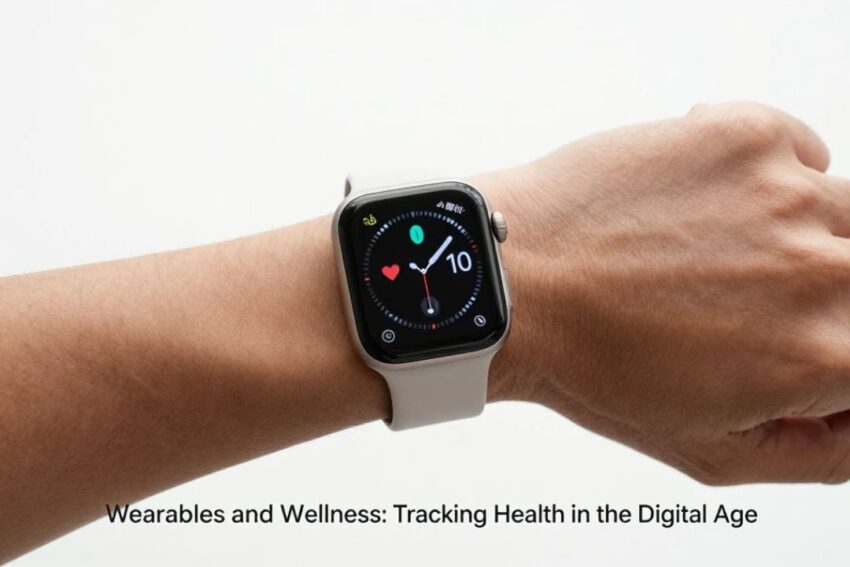
In today’s digital era, wearable technology has emerged as a powerful tool for monitoring and improving personal health and wellness. From smartwatches and fitness trackers to advanced biosensors embedded in clothing, wearable devices provide users with real-time insights into their physical activity, sleep patterns, heart rate, and even stress levels. These technologies are transforming healthcare, empowering individuals to take proactive control of their well-being, and enabling healthcare providers to deliver more personalized care. This article explores the impact of wearables on health and wellness, their applications, benefits, challenges, and future trends.
The Rise of Health-Focused Wearables
The concept of wearable technology for health is not new, but recent advancements in miniaturized sensors, wireless connectivity, and data analytics have dramatically expanded their capabilities. Early devices primarily counted steps or monitored basic activity, but modern wearables offer a comprehensive suite of health metrics.
Key developments include:
- Heart Rate Monitoring: Continuous tracking of heart rate helps detect irregularities and monitor cardiovascular health.
- Sleep Analysis: Devices measure sleep duration, quality, and cycles to provide insights into rest and recovery.
- Activity Tracking: Wearables track steps, calories burned, distance traveled, and active minutes, encouraging more active lifestyles.
- Stress and Mental Health Monitoring: Sensors can detect physiological signals such as skin temperature, heart rate variability, and cortisol levels to assess stress.
- Advanced Biosensors: Emerging devices measure blood oxygen levels, blood pressure, and even glucose non-invasively.
These innovations allow users to gain a deeper understanding of their health and make data-driven lifestyle choices.
Applications of Wearables in Health and Wellness
1. Personal Health Management
Wearables empower individuals to monitor daily health metrics and detect early signs of illness. Alerts for irregular heart rhythms or unusual activity levels can prompt timely medical consultation. Integration with mobile health apps allows users to set personalized goals, track progress, and receive actionable recommendations.
2. Fitness and Exercise Optimization
Athletes and fitness enthusiasts use wearables to enhance performance. Metrics such as heart rate zones, VO2 max, and recovery rates guide training intensity and duration. Wearables provide real-time feedback, helping users prevent overtraining and optimize workouts for better results.
3. Chronic Disease Management
For patients with conditions like diabetes, hypertension, or cardiovascular disease, wearables facilitate continuous monitoring. Glucose-monitoring wearables, blood pressure trackers, and heart monitors help manage conditions without frequent hospital visits, improving quality of life.
4. Remote Healthcare and Telemedicine
Wearables generate health data that can be shared with healthcare providers for remote monitoring. Telemedicine platforms leverage this data to offer personalized consultations, track treatment adherence, and detect complications early, reducing hospitalizations.
5. Mental Health and Stress Management
Wearables provide insights into stress levels and sleep quality, supporting mental wellness initiatives. Some devices integrate mindfulness and relaxation apps, prompting users to engage in breathing exercises, meditation, or guided relaxation based on physiological cues.
Benefits of Health-Focused Wearables
The integration of wearables into daily life provides several advantages:
- Proactive Health Monitoring: Continuous tracking enables early detection of potential health issues.
- Behavioral Insights: Data helps users understand patterns, adjust habits, and make informed lifestyle choices.
- Motivation and Accountability: Gamification, reminders, and progress tracking encourage consistent engagement.
- Personalized Feedback: Algorithms analyze individual data to provide tailored advice for fitness, sleep, and stress management.
- Integration with Healthcare Systems: Wearables enhance communication between patients and providers, enabling data-driven medical decisions.
These benefits collectively promote healthier lifestyles, reduce risks, and improve long-term well-being.
Challenges and Considerations
Despite their advantages, wearables face several challenges in the health and wellness space:
1. Data Privacy and Security
Health data is highly sensitive, and users must trust that wearable providers will protect their information. Breaches or misuse can have serious consequences.
2. Accuracy and Reliability
Inconsistent readings or faulty sensors can lead to misinformation, affecting health decisions. Ensuring accuracy is crucial for medical-grade applications.
3. Accessibility and Affordability
High-end wearables may be cost-prohibitive, limiting access for some users. Affordable alternatives with reliable features are necessary for widespread adoption.
4. User Engagement and Compliance
Many users stop using devices after initial enthusiasm fades. Maintaining engagement through reminders, gamification, and seamless integration is essential for long-term impact.
5. Integration with Healthcare Providers
Wearable data must be compatible with electronic health records (EHRs) and healthcare systems to fully benefit patient care, which can be technically and administratively challenging.
Emerging Trends in Health-Focused Wearables
Several trends are shaping the future of wearable health technology:
- Non-Invasive Biometrics: Startups are developing wearables capable of monitoring glucose, hydration, and other metrics without invasive procedures.
- AI-Driven Insights: Machine learning algorithms provide predictive health analytics, personalized recommendations, and early warning signals.
- Integration with Telemedicine: Seamless data sharing with healthcare providers enhances remote care and chronic disease management.
- Wearable-Enhanced Rehabilitation: Devices track movement patterns, providing feedback for physical therapy and injury recovery.
- Mental Health Monitoring: Wearables are increasingly used to track stress, mood, and cognitive load, supporting holistic wellness approaches.
These innovations indicate a shift from simple tracking devices to comprehensive health companions.
Case Studies of Health-Focused Wearables
Apple Watch
Apple Watch has revolutionized wearable health technology with features like ECG monitoring, fall detection, and oxygen level measurement. Its integration with the Apple Health ecosystem enables users to monitor comprehensive health metrics and share data with physicians.
Fitbit
Fitbit focuses on holistic wellness, tracking activity, sleep, and heart health. Its coaching programs and community challenges encourage sustained engagement and lifestyle improvement.
WHOOP Strap
WHOOP emphasizes performance optimization, recovery, and sleep quality. Its analytics help athletes and health-conscious users fine-tune training and daily routines.
These examples highlight the potential for wearables to influence behavior, improve outcomes, and enhance quality of life.
Conclusion
Health-focused wearables are transforming the way individuals monitor, understand, and improve their well-being. By providing continuous insights, personalized feedback, and integration with healthcare systems, these devices empower users to take proactive control of their health. Despite challenges such as privacy, accuracy, and accessibility, ongoing innovation promises to expand their capabilities and impact.
As wearable technology continues to evolve, it will move beyond simple monitoring to become an essential companion for health and wellness, guiding users toward smarter decisions, healthier habits, and improved quality of life in the digital age.