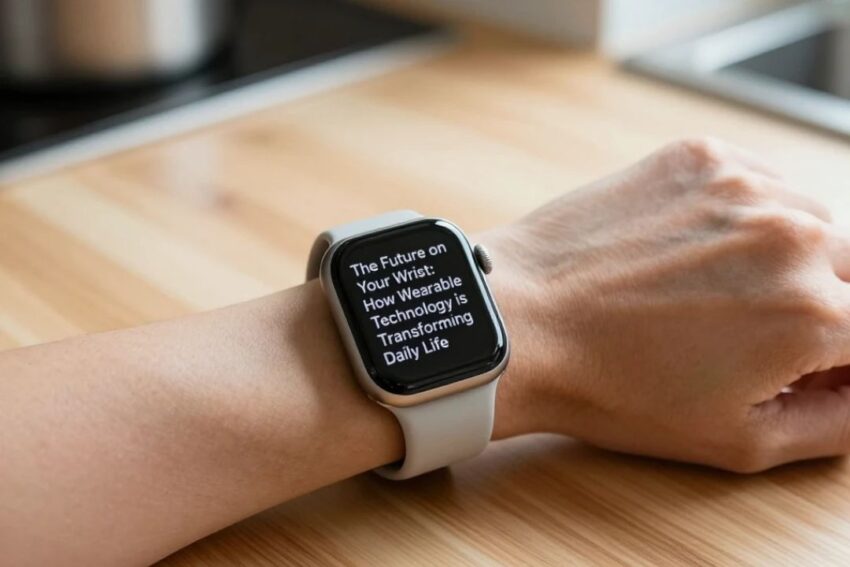
Wearable technology has evolved from simple step counters to sophisticated devices capable of monitoring health, enhancing productivity, and connecting users to a digital ecosystem. In 2026, wearables are no longer just gadgets—they are integral tools that influence how people live, work, and interact with the world. From smartwatches and fitness bands to augmented reality glasses and smart clothing, wearable devices are reshaping daily routines and providing insights that were previously unimaginable. This article explores the evolution, applications, benefits, and challenges of wearable technology and examines how it is transforming modern life.
The Evolution of Wearable Technology
The history of wearable technology begins with rudimentary devices designed for convenience and novelty. Early wearables included pedometers, digital watches, and heart rate monitors. Over time, technological advancements in miniaturization, battery life, sensors, and wireless connectivity have enabled wearables to evolve into multifunctional, smart devices.
Key milestones in wearable technology include:
- Fitness Bands: The introduction of fitness trackers such as Fitbit allowed users to monitor steps, calories burned, and sleep patterns.
- Smartwatches: Devices like the Apple Watch integrated notifications, GPS, heart rate monitoring, and apps directly on the wrist.
- Augmented Reality (AR) Glasses: Startups and established tech firms developed glasses capable of overlaying digital information onto real-world views.
- Smart Clothing: Embedded sensors in clothing can track movement, posture, and biometrics, opening possibilities for healthcare and fitness applications.
This evolution demonstrates the trajectory from single-purpose gadgets to integrated, multifunctional platforms that interact seamlessly with users’ digital lives.
Applications of Wearable Technology
Wearable technology has a wide range of applications across health, lifestyle, communication, and professional domains:
1. Health and Wellness
Wearables have become essential tools for monitoring physical health. Devices can measure heart rate, blood oxygen levels, blood pressure, and even detect irregular heart rhythms. They also provide insights into sleep quality, stress levels, and physical activity patterns. Healthcare providers are increasingly using wearable data for remote patient monitoring, early diagnosis, and personalized treatment plans.
2. Fitness and Sports
Athletes and fitness enthusiasts use wearables to track performance, optimize workouts, and prevent injuries. Features like real-time biometric feedback, GPS tracking, and performance analytics allow users to adjust training regimens, set goals, and monitor progress.
3. Productivity and Communication
Smartwatches and AR glasses help users manage notifications, emails, calls, and schedules without needing to check a smartphone constantly. Gesture controls, voice commands, and heads-up displays make multitasking more efficient, particularly for professionals in dynamic environments.
4. Augmented Reality and Entertainment
AR-enabled wearables provide immersive experiences in gaming, education, and navigation. Wearables can overlay directions, contextual information, or interactive elements in real time, enhancing both entertainment and practical applications.
5. Workplace Safety and Industry
Wearables are increasingly used in industrial settings to monitor worker safety, track fatigue, and provide real-time alerts in hazardous environments. Smart helmets, gloves, and vests can detect exposure to harmful substances, body posture, and vital signs, reducing workplace accidents.
Benefits of Wearable Technology
The widespread adoption of wearables brings multiple benefits:
- Real-Time Data Collection: Users gain immediate insights into health, performance, and behavior.
- Enhanced Convenience: Notifications, reminders, and digital tools are accessible without interrupting daily activities.
- Personalized Experiences: Machine learning algorithms analyze data to provide tailored advice and feedback.
- Preventive Healthcare: Continuous monitoring helps detect potential health issues early, reducing hospital visits and medical costs.
- Connectivity: Wearables integrate with smartphones, smart home devices, and cloud services, creating a seamless digital ecosystem.
By combining convenience, data, and connectivity, wearable devices enhance the quality of life for users across age groups and professions.
Challenges and Limitations
Despite their advantages, wearable technologies face several challenges:
1. Privacy and Data Security
Wearables collect sensitive personal data, including health metrics and location. Protecting this information from breaches and misuse is crucial to maintaining user trust.
2. Battery Life and Durability
High-performance sensors, displays, and connectivity features demand substantial energy. Limited battery life and the need for frequent charging remain key user concerns. Devices also need to withstand daily wear, sweat, and environmental conditions.
3. Accuracy and Reliability
The precision of sensors varies between devices. Inaccurate readings can lead to misguided health insights or misinformed decisions.
4. Cost and Accessibility
High-end wearables can be expensive, limiting accessibility for some users. Ensuring affordability without compromising features is essential for mass adoption.
5. Integration and Compatibility
Wearables must integrate seamlessly with various operating systems, apps, and platforms to provide maximum utility. Fragmented ecosystems can reduce user satisfaction.
Addressing these challenges is critical for sustaining growth and consumer confidence in wearable technology.
Emerging Trends in Wearables
Several trends are shaping the future of wearable technology:
- Health-Focused Wearables: Startups are developing devices capable of non-invasive glucose monitoring, early disease detection, and mental health tracking.
- Smart Clothing and Textiles: Wearable fabrics with embedded sensors are becoming mainstream for fitness, rehabilitation, and posture monitoring.
- AR and VR Integration: Next-generation glasses and headsets provide mixed reality experiences for education, training, and entertainment.
- AI-Enhanced Wearables: Machine learning algorithms improve personalization, predictive insights, and adaptive feedback.
- Sustainability: Manufacturers are exploring eco-friendly materials, recyclable components, and longer-lasting batteries.
These trends suggest that wearables will continue to move beyond novelty devices into essential, integrated tools for everyday life.
Case Studies of Wearable Technology Impact
Apple Watch
Apple Watch has transformed wearable tech by combining health monitoring, notifications, and apps. Features like ECG monitoring, fall detection, and fitness tracking have positioned it as both a health device and a lifestyle accessory.
Fitbit
Fitbit pioneered consumer fitness tracking, emphasizing daily activity, sleep, and wellness insights. Its integration with health apps and coaching programs has influenced millions to adopt healthier lifestyles.
WHOOP Strap
WHOOP focuses on performance analytics, particularly for athletes. By providing detailed insights into recovery, strain, and sleep, it enables users to optimize training and prevent injuries.
These examples demonstrate how wearables impact health, productivity, and lifestyle, influencing behavior and decision-making at an individual level.
Conclusion
Wearable technology has moved from simple fitness trackers to complex devices capable of transforming health, productivity, and entertainment. In 2026, wearables are integral to daily life, providing real-time data, enhancing convenience, and enabling personalized experiences. While challenges like privacy, battery life, and accessibility remain, ongoing innovation promises to address these limitations and expand functionality.
The future of wearables lies in integration—combining AI, AR, smart textiles, and cloud connectivity to create a seamless, personalized digital ecosystem. As these devices continue to evolve, they will not only sit on wrists or be worn on the body—they will become essential tools that redefine how we live, work, and interact with the world around us.