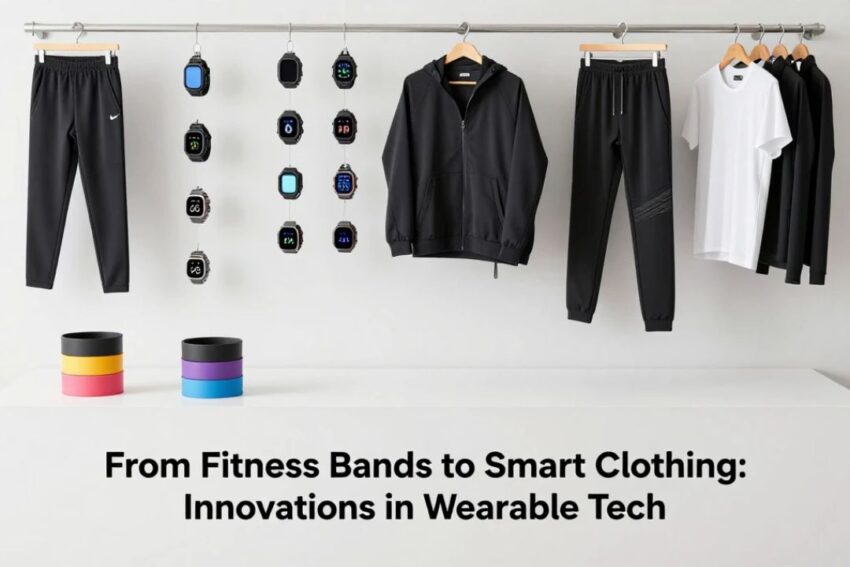
Wearable technology has grown far beyond simple step counters and fitness trackers to encompass a wide range of innovative devices, including smart clothing, AR glasses, and advanced biosensors. In 2026, wearable tech is transforming how we monitor health, interact with the digital world, and even enhance our physical capabilities. By integrating sensors, connectivity, and artificial intelligence, these devices are increasingly becoming an extension of the human body, offering personalized insights and experiences. This article explores the evolution, innovations, applications, and future of wearable technology, focusing on the transition from basic fitness devices to smart clothing and beyond.
The Evolution of Wearable Technology
Wearable technology began with devices designed to track physical activity, such as pedometers and early fitness bands. Over time, advancements in miniaturization, wireless communication, and sensor technology enabled the creation of smartwatches, AR devices, and even clothing embedded with electronics.
Key stages include:
- Early Fitness Trackers: Devices like Fitbit allowed users to monitor steps, calories, and basic activity levels.
- Smartwatches: Devices such as the Apple Watch added notifications, GPS, heart rate monitoring, and app integration.
- Wearable Health Devices: Biosensors now measure heart rate variability, blood oxygen levels, sleep quality, and stress indicators.
- Smart Clothing and Textiles: Innovative fabrics with embedded sensors can monitor posture, muscle activity, and biometric data.
- Augmented Reality and Specialized Wearables: AR glasses, smart helmets, and gloves extend capabilities into productivity, safety, and immersive experiences.
This progression reflects the movement from single-function devices to integrated systems that interact with both the body and the digital ecosystem.
Innovations in Wearable Technology
1. Smart Clothing and Textiles
Smart clothing incorporates flexible sensors, conductive threads, and microelectronics to monitor biometrics and physical activity. Applications include:
- Fitness Apparel: Tracks muscle activity, posture, and motion to optimize training.
- Healthcare Monitoring: Monitors vital signs and provides data for telemedicine or rehabilitation.
- Temperature and Stress Monitoring: Sensors detect physiological responses to environmental changes and stress levels.
2. Advanced Fitness Bands and Smartwatches
Modern wearables go beyond step tracking to measure heart rate, ECG, blood oxygen levels, and even detect irregular rhythms. AI-powered apps analyze data, providing actionable insights for fitness and wellness.
3. Augmented Reality and Mixed Reality Wearables
AR glasses and headsets overlay digital information onto the real world, enhancing navigation, training, gaming, and professional workflows. Gesture recognition, eye tracking, and voice control make interactions seamless.
4. Specialized Wearables for Industry and Safety
Wearables such as smart helmets, gloves, and vests improve worker safety in industrial environments by monitoring exposure to hazards, posture, fatigue, and environmental conditions.
5. Implantables and Bioelectronics
Emerging wearables are now moving beneath the skin, with small devices capable of monitoring glucose levels, delivering medication, or enhancing sensory perception.
Applications of Modern Wearables
Health and Wellness: Devices track biometrics, sleep, and stress, empowering users to adopt healthier lifestyles.
Fitness and Sports: Advanced monitoring supports performance optimization, injury prevention, and personalized training.
Workplace Productivity and Safety: Wearables streamline communication, monitor fatigue, and ensure safety in high-risk environments.
Entertainment and AR Experiences: Wearables create immersive gaming, educational, and professional experiences.
Medical Monitoring and Telemedicine: Continuous monitoring enables remote care and early detection of health conditions.
Benefits of Wearable Innovations
- Personalized Insights: Continuous monitoring allows tailored recommendations for health, fitness, and performance.
- Convenience: Wearables integrate with smartphones and smart home devices, providing real-time feedback and notifications.
- Proactive Health Management: Users can detect irregularities early and take preventive measures.
- Enhanced Performance: Athletes and professionals gain precise data to optimize their activities.
- Integration with Digital Ecosystems: Wearables connect seamlessly with apps, AI platforms, and cloud services for data-driven decision-making.
Challenges Facing Wearable Technology
Data Privacy and Security: Wearables collect sensitive personal data that must be protected.
Battery Life and Power Efficiency: High-tech sensors and displays require long-lasting, efficient power sources.
Sensor Accuracy: Reliable readings are essential, particularly for medical-grade devices.
Cost and Accessibility: Advanced wearables may be expensive, limiting adoption.
User Engagement: Maintaining long-term use requires engaging interfaces, gamification, and value-added insights.
Future Trends in Wearable Technology
- Smart Clothing Expansion: Integration of AI and IoT into textiles will enable clothing to provide real-time health feedback and adaptive responses.
- AI-Powered Analytics: Predictive insights and personalized recommendations will enhance health, fitness, and productivity.
- Mixed Reality Integration: AR and VR wearables will continue to transform education, gaming, and professional training.
- Miniaturization and Comfort: Devices will become smaller, lighter, and more ergonomic.
- Sustainability: Eco-friendly materials and long-lasting batteries will become standard.
Case Studies
Apple Watch: Beyond notifications, it provides ECG monitoring, blood oxygen tracking, and fall detection, serving as both a lifestyle and health device.
WHOOP Strap: Focused on performance and recovery, WHOOP tracks strain, sleep, and recovery, optimizing athletic performance.
Hexoskin Smart Clothing: Embedded sensors in shirts monitor heart rate, breathing, and movement, providing data for health and fitness applications.
Conclusion
Wearable technology has progressed from simple fitness trackers to complex, multifunctional devices that monitor health, enhance performance, and provide immersive experiences. Smart clothing, AR wearables, and advanced biosensors are transforming daily life, workplaces, and healthcare systems. As innovation continues, wearables will become more integrated, intelligent, and accessible, creating a future where technology seamlessly enhances human capability, health, and connectivity.
Wearables are no longer optional gadgets—they are emerging as essential tools in the digital age, redefining how we live, work, and interact with the world.