Introduction
Wearable technology has become an important part of everyday digital life. From smartwatches and fitness trackers to smart rings and advanced health devices, wearables give users convenient access to information, communication, fitness data, and connected services.
In 2026, wearable devices are becoming more advanced through improved sensors, artificial intelligence, better wireless connectivity, longer battery life, and more personalized software. Instead of simply counting steps or displaying notifications, many modern wearables are designed to provide deeper insights and work as part of larger digital ecosystems.
Choosing the best wearable technology device in 2026 depends on what you need. A smartwatch may be useful for communication and everyday productivity, while a fitness tracker can focus on activity monitoring. Smart rings provide a smaller and more discreet form factor, while specialized health and sports wearables can serve more specific purposes.
This guide explores the major types of wearable devices, their features, benefits, differences, and important factors to consider before choosing wearable technology.
What Are Wearable Technology Devices?
Wearable technology devices are electronic products designed to be worn on the body.
They combine hardware, sensors, software, and wireless connectivity to perform different functions.
Common wearable devices include:
- Smartwatches
- Fitness trackers
- Smart rings
- Smart glasses
- Smart earbuds
- Sports wearables
- Health-monitoring devices
- Smart clothing
Many wearables connect to smartphones, while some models can operate independently using cellular or other wireless connections.
1. Smartwatches
Smartwatches are among the most popular wearable technology devices.
They combine traditional watch functionality with digital features.
Modern smartwatches can provide:
- Notifications
- Calls
- Messages
- GPS
- Fitness tracking
- Health-related features
- Music controls
- Mobile payments
- Voice assistants
- Smartphone integration
A smartwatch can be particularly useful for people who want an all-purpose wearable.
Benefits of Smartwatches
The biggest advantage of a smartwatch is versatility.
Instead of using separate devices for notifications, fitness tracking, navigation, and timekeeping, users can access many features from one device.
Smartwatches can also reduce the need to constantly check a smartphone.
For example, a user can quickly see a message or notification directly from their wrist.
2. Fitness Trackers
Fitness trackers are designed primarily for activity and exercise monitoring.
They generally focus on features such as:
- Step counting
- Distance tracking
- Calories
- Exercise duration
- Heart-rate monitoring
- Sleep tracking
- Activity goals
Fitness trackers are often simpler than full-featured smartwatches.
This can make them suitable for users who mainly want fitness information without needing extensive communication features.
Benefits of Fitness Trackers
Fitness trackers can help users understand their daily activity.
They may encourage people to move more by providing activity goals and progress information.
Athletes and fitness enthusiasts can also use them to monitor workouts and training patterns.
3. Smart Rings
Smart rings are one of the most interesting categories in wearable technology.
They are small devices worn on a finger and can contain sensors for collecting different types of information.
Depending on the device, smart rings may track:
- Sleep
- Activity
- Heart-rate information
- Temperature trends
- Recovery-related metrics
The main advantage is their compact size.
A smart ring can provide wearable sensing without the larger display and wrist presence of a smartwatch.
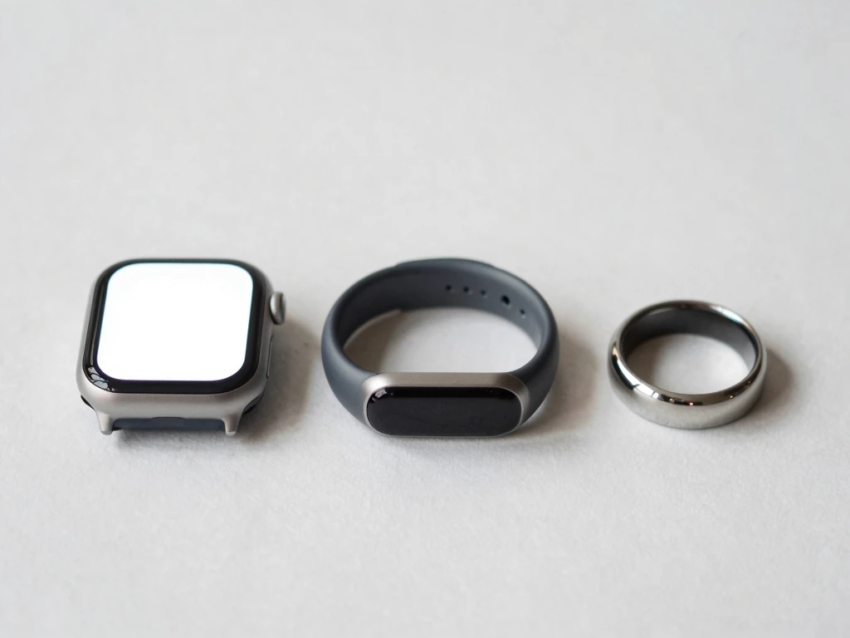
Smartwatch vs Fitness Tracker vs Smart Ring
These three wearable categories serve different purposes.
| Feature | Smartwatch | Fitness Tracker | Smart Ring |
|---|---|---|---|
| Notifications | Yes | Limited on some devices | Usually limited |
| Fitness tracking | Advanced | Strong | Strong |
| GPS | Common | Varies | Usually limited |
| Calls | Some models | Usually no | No |
| Sleep tracking | Common | Common | Strong focus |
| Display | Yes | Usually yes | Usually no |
| Size | Larger | Small | Very small |
| Battery | Varies | Often longer | Often designed for extended use |
| Smartphone integration | Strong | Strong | Strong |
There is no single wearable device that is ideal for every user.
The right option depends on the features that matter most.
Key Features to Look For in Wearable Technology
Before choosing a wearable, it is important to understand the major features.
Health Sensors
Sensors are one of the most important components of wearable technology.
Depending on the device, sensors can monitor:
- Heart rate
- Movement
- Temperature
- Blood oxygen levels
- Sleep-related signals
Different devices have different sensors, so users should compare features based on actual needs.
GPS
GPS is particularly useful for outdoor activities.
It can help track:
- Running routes
- Cycling
- Walking
- Hiking
- Travel
Built-in GPS can reduce the need to carry a smartphone during certain activities.
Battery Life
Battery life is an important factor when choosing wearable technology.
A device with many features may require more frequent charging.
Battery performance can be affected by:
- GPS usage
- Display brightness
- Cellular connectivity
- Continuous sensors
- Always-on displays
Users should consider how frequently they are comfortable charging the device.
Smartphone Compatibility
Compatibility is another important consideration.
Some wearables work best with particular smartphone platforms or operating systems.
Before purchasing a device, check whether it supports your smartphone.
Compatibility can affect:
- Notifications
- Applications
- Data synchronization
- Calls
- Messaging
- Device setup
Water and Dust Resistance
For fitness users and outdoor enthusiasts, durability is important.
Water resistance can be useful for:
- Swimming
- Running in rain
- Outdoor activities
- Daily wear
However, water-resistance ratings differ between devices, so users should check the manufacturer’s specifications before using a device in water.
Wearable Technology for Fitness
Fitness remains one of the most important wearable technology applications.
Wearable devices can help users monitor exercise and activity.
Common fitness features include:
- Step tracking
- Workout modes
- Running metrics
- Heart-rate information
- Distance tracking
- Calories
- Sleep information
This data can help users understand their activity patterns.
Wearable Technology for Health Monitoring
Health-related wearable features are becoming increasingly advanced.
Some devices can monitor or estimate measurements such as:
- Heart rate
- Sleep patterns
- Activity
- Temperature
- Blood oxygen levels
These measurements can help users become more aware of their routines.
However, wearable measurements should not automatically be treated as medical diagnoses. Specialized medical concerns should be discussed with qualified healthcare professionals.
AI-Powered Wearable Devices
Artificial intelligence is becoming increasingly important in wearable technology.
AI can help analyze large amounts of sensor data and produce personalized insights.
Potential applications include:
- Activity recognition
- Personalized fitness suggestions
- Sleep analysis
- Smart notifications
- Voice assistants
- Context-aware recommendations
Instead of simply displaying numbers, AI-powered wearables can potentially help explain what those numbers mean.
For example, an AI system may identify changes in activity or sleep patterns and present a simple summary.
Smartwatches for Communication
One major advantage of smartwatches is communication.
Depending on the device and connected services, users may be able to:
- Receive messages
- Answer calls
- View notifications
- Use voice commands
- Respond to selected messages
Cellular-enabled models can provide additional independence from smartphones.
This can be useful during exercise, travel, or situations where carrying a phone is inconvenient.
Fitness Trackers for Everyday Activity
Fitness trackers are useful for people who want straightforward activity monitoring.
A simple tracker can help users establish daily goals and observe their activity over time.
For example, users may monitor:
- Daily steps
- Active minutes
- Exercise sessions
- Sleep duration
The simplicity of a fitness tracker can make it attractive to people who do not need extensive smartwatch functionality.
Smart Rings for Sleep and Recovery
Smart rings have become increasingly associated with sleep and recovery tracking.
Their small size makes them suitable for overnight use.
Users may be able to monitor:
- Sleep duration
- Sleep patterns
- Heart-rate trends
- Temperature changes
- Recovery-related information
The absence of a large screen can also reduce distractions compared with screen-based wearable devices.
Wearable Technology for Athletes
Athletes can use wearable devices to collect performance information.
Depending on the device, data may include:
- Running speed
- Distance
- Heart rate
- GPS location
- Training duration
- Movement patterns
Advanced sports wearables can provide more specialized information for particular activities.
The data can help athletes and coaches understand training patterns and make informed adjustments.
Wearable Technology for Travel
Wearables can also be useful while traveling.
GPS-enabled smartwatches can provide navigation information without requiring users to constantly hold a smartphone.
Wearables can also provide:
- Travel notifications
- Time-zone information
- Communication
- Mobile payments
- Activity tracking
Smart glasses may eventually provide even more hands-free travel assistance through augmented reality and AI.
Wearable Technology for Everyday Productivity
Wearables are increasingly becoming productivity tools.
Users can potentially use them to:
- Set reminders
- Check calendars
- Receive alerts
- Control music
- Manage calls
- Interact with voice assistants
The goal is not necessarily to replace smartphones but to provide quick access to important information.
Smart Glasses and Next-Generation Wearables
Smart glasses represent another major category.
Depending on their design, smart glasses can include:
- Cameras
- Microphones
- Speakers
- Voice assistants
- Displays
- Augmented-reality features
Potential applications include:
- Navigation
- Communication
- Photography
- Translation
- Education
- Gaming
- Workplace assistance
AI is likely to play an increasingly important role in making smart glasses more useful.
Wearable Technology and IoT
Wearables are part of the broader Internet of Things ecosystem.
A wearable can potentially communicate with:
- Smartphones
- Smart homes
- Vehicles
- Cloud services
- Fitness applications
- Other connected devices
For example, a smartwatch could potentially control compatible smart-home devices.
This creates a more connected digital environment.
Privacy and Security
Wearable technology can collect sensitive personal information.
This can include:
- Location
- Activity
- Health-related information
- Voice data
- Account information
Users should review privacy settings and understand how their information is collected, stored, and shared.
Important security practices include:
- Using strong passwords
- Enabling multi-factor authentication where available
- Keeping software updated
- Reviewing app permissions
- Using secure device connections
How to Choose the Best Wearable Technology Device
The best wearable depends on individual requirements.
Choose a Smartwatch If You Want
- Notifications
- Calls
- GPS
- Fitness features
- Apps
- Smartphone integration
- A digital display
Choose a Fitness Tracker If You Want
- Activity tracking
- Simple fitness information
- Step counting
- Sleep tracking
- A lightweight device
Choose a Smart Ring If You Want
- A discreet wearable
- Sleep tracking
- Activity monitoring
- Compact hardware
- Minimal screen interaction
Choose Smart Glasses If You Want
- Hands-free interaction
- Cameras
- Voice control
- Augmented reality
- Emerging AI features
Advantages of Wearable Technology
Wearable devices offer several potential advantages.
Convenience
Important information is available directly from the body-worn device.
Fitness Awareness
Users can track activity and exercise.
Communication
Smartwatches can provide quick access to messages and calls.
Personalization
AI can potentially customize information and recommendations.
Hands-Free Computing
Smart glasses and voice-enabled devices can provide information without traditional screens.
Connected Experiences
Wearables can connect with smartphones, smart homes, and other IoT systems.
Challenges of Wearable Technology
Wearables also have limitations.
Battery Life
Small devices have limited battery capacity.
Privacy
Personal information can be collected through sensors and connected applications.
Accuracy
Sensor readings are not always perfect.
Cost
Advanced wearable devices can be expensive.
Compatibility
Some devices work better within specific technology ecosystems.
Comfort
A device needs to be comfortable enough for long-term use.
Future of Wearable Technology
The future of wearable technology is likely to focus on smaller hardware, better sensors, AI, improved battery life, and more seamless connectivity.
Important developments may include:
- AI-powered smartwatches
- Advanced smart rings
- AI-enabled smart glasses
- Smart clothing
- Improved health sensors
- Better battery technology
- More personalized AI assistants
- Stronger IoT integration
- Augmented-reality experiences
Wearables may eventually become less noticeable while becoming more capable.
Instead of constantly interacting with a screen, users may communicate with technology through voice, gestures, context, and AI.
Wearable Technology and the Future of Computing
Wearable technology could contribute to a broader shift from traditional screen-based computing toward more natural digital interaction.
Smartwatches, rings, glasses, earbuds, and smart clothing can provide different ways to interact with digital services.
AI may become the connecting layer between these devices.
For example, an AI assistant could receive information from multiple wearable devices and provide a personalized response.
This could make technology more context-aware and useful throughout the day.
Conclusion
The best wearable technology devices in 2026 come in many forms, including smartwatches, fitness trackers, smart rings, smart glasses, sports devices, and health-focused wearables.
Smartwatches provide a broad combination of communication, fitness, GPS, and smartphone features. Fitness trackers focus more heavily on activity and exercise monitoring, while smart rings provide compact and discreet sensing capabilities.
Artificial intelligence is also changing wearable technology by helping devices analyze information and provide more personalized experiences.
When choosing a wearable device, users should consider their purpose, required features, battery life, comfort, smartphone compatibility, sensors, durability, privacy, and overall cost.
The future of wearable technology will likely bring even smarter devices, improved health sensors, AI assistants, advanced smart rings, smart glasses, and connected ecosystems.
Wearable technology is becoming more than a convenient accessory. It is evolving into an important part of modern computing, fitness, communication, and connected digital life.