Introduction
Technology has become increasingly connected, portable, and personalized. Two important categories in this digital transformation are wearable technology and smart devices. Although these terms are sometimes used interchangeably, they describe different types of technology and user experiences.
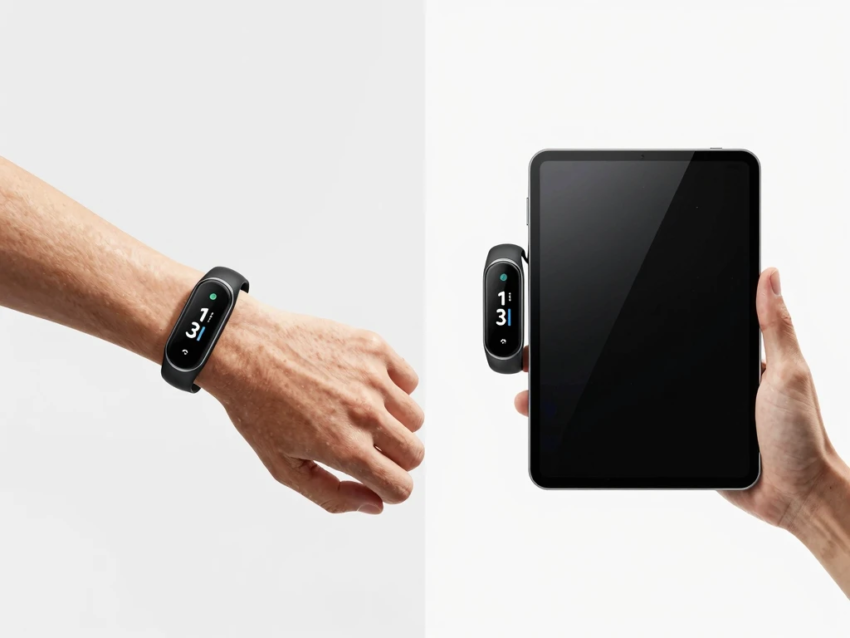
Wearable technology includes electronic products designed to be worn on the body, such as smartwatches, fitness trackers, smart rings, smart glasses, and specialized health devices. Smart devices are a broader category that includes smartphones, tablets, smart TVs, smart speakers, smart appliances, connected vehicles, and other internet-connected products.
Both technologies can communicate with networks, collect data, use artificial intelligence, and interact with other connected devices. However, their designs and primary purposes can be quite different.
Understanding wearable technology vs smart devices can help consumers, businesses, and technology users choose the right products for their needs.
This guide explains the key differences between wearable technology and smart devices, their benefits, applications, limitations, connectivity, AI capabilities, security considerations, and future developments.
What Is Wearable Technology?
Wearable technology refers to electronic devices designed to be worn on or attached to the human body.
These devices typically combine sensors, processors, software, batteries, and wireless connectivity.
Common examples include:
- Smartwatches
- Fitness trackers
- Smart rings
- Smart glasses
- Smart earbuds
- Sports wearables
- Health-monitoring devices
- Smart clothing
Wearables are generally designed to provide quick, convenient, and personalized access to information.
What Are Smart Devices?
Smart devices are electronic products that can perform advanced functions using software, sensors, connectivity, or computing capabilities.
The category includes:
- Smartphones
- Tablets
- Smart TVs
- Smart speakers
- Smart appliances
- Smart cameras
- Smart thermostats
- Connected vehicles
- Home security devices
Smart devices can connect to the internet and other products, allowing them to exchange information and perform automated tasks.
Wearable Technology vs Smart Devices: Key Difference
The biggest difference is how and where the technology is used.
Wearable technology is designed to be worn on the body.
Smart devices are a much broader category of connected electronic products that may be used, carried, installed, or placed in a particular environment.
For example, a smartwatch is wearable technology and also a smart device.
A smart refrigerator is a smart device but not wearable technology.
This means wearable technology can be considered a specialized category within the broader smart-device ecosystem.
Wearable Technology vs Smart Devices Comparison
| Feature | Wearable Technology | Smart Devices |
|---|---|---|
| Designed to be worn | Yes | Usually no |
| Sensors | Common | Common |
| Internet connectivity | Often available | Common |
| Fitness tracking | Strong focus | Limited on many devices |
| Health monitoring | Common in some wearables | Depends on device |
| Display | Often small | Can range from small to very large |
| Portability | Very high | Varies |
| Smartphone integration | Strong | Varies |
| AI capabilities | Increasing rapidly | Increasing rapidly |
| Examples | Smartwatch, smart ring, smart glasses | Smartphone, TV, speaker, appliance |
The categories overlap, but their intended user experiences are different.
Smartwatches as Wearable Smart Devices
Smartwatches demonstrate how wearable technology and smart devices can overlap.
A smartwatch can provide:
- Notifications
- Calls
- Messages
- GPS
- Fitness tracking
- Music controls
- Voice assistants
- Mobile payments
- Health-related features
Because it is worn on the wrist, it is classified as wearable technology.
At the same time, it functions as a connected smart device.
Smartphones as Smart Devices
Smartphones are among the most important smart devices.
They provide:
- Internet access
- Communication
- Applications
- Cameras
- GPS
- Mobile payments
- AI assistants
- Entertainment
- Productivity tools
Smartphones can also act as a central hub for wearable devices.
For example, a smartwatch may synchronize its activity data with a smartphone application.
Smart Rings vs Traditional Smart Devices
Smart rings represent a more specialized form of wearable technology.
Unlike smartphones or tablets, they are designed for continuous body-worn use.
Depending on the product, smart rings may monitor:
- Activity
- Sleep
- Heart-rate information
- Temperature trends
- Recovery-related data
Their small size allows them to operate with minimal user interaction.
Smart Glasses and Smart Devices
Smart glasses are another example of the growing overlap between wearable technology and smart devices.
Depending on their design, smart glasses can include:
- Cameras
- Microphones
- Speakers
- Wireless connectivity
- Voice assistants
- Displays
They can potentially provide hands-free access to digital information.
This makes smart glasses particularly interesting for augmented reality and AI applications.
Benefits of Wearable Technology
Wearable devices provide several potential advantages.
Convenience
Wearables provide information directly from the body.
Users do not always need to take out a smartphone to check a notification or fitness metric.
Fitness Tracking
Wearables can monitor daily activity and exercise.
Health Awareness
Certain devices can provide information about specific health-related measurements.
Hands-Free Interaction
Smart glasses and voice-enabled wearables can provide information without requiring traditional screens.
Personalization
Wearables can collect information about individual activity patterns and provide personalized insights.
Benefits of Smart Devices
Smart devices offer a much wider range of applications.
Advanced Computing
Smartphones, tablets, and computers can perform complex tasks.
Large Displays
Smart TVs, tablets, and monitors can provide large viewing areas.
Home Automation
Smart devices can control lights, thermostats, appliances, and security systems.
Entertainment
Smart TVs, speakers, tablets, and phones provide access to digital content.
Communication
Smartphones and computers support messaging, video calls, email, and other communication services.
Wearable Technology for Fitness
Fitness is one of the strongest applications of wearable technology.
Wearable devices can help users track:
- Steps
- Distance
- Exercise time
- Heart rate
- Workout sessions
- Sleep patterns
This information can help users understand their activity habits.
Fitness wearables are especially useful because they can collect information while users are moving.
Smart Devices for Fitness
Smart devices also support fitness, although they are often used differently.
A smartphone can provide:
- Workout applications
- GPS tracking
- Training videos
- Fitness plans
- Music
- Health dashboards
Smart TVs and tablets can also provide workout videos and interactive fitness experiences.
The smartphone can therefore complement a wearable rather than compete with it.
Wearable Technology in Healthcare
Wearable technology is increasingly being explored for health-related applications.
Some devices can provide information about:
- Heart rate
- Activity
- Sleep
- Temperature
- Blood oxygen levels
Specialized medical wearables may support particular monitoring requirements.
However, consumer wearable information should not automatically be considered a medical diagnosis. Medical concerns should be evaluated by qualified healthcare professionals.
Smart Devices in Healthcare
Smart devices can support healthcare in other ways.
Smartphones and tablets can provide:
- Telehealth applications
- Medical information
- Health records access
- Communication
- Medication reminders
Smart home devices can also potentially support independent living through monitoring and automation.
Together, smart devices and wearables can create a connected health ecosystem.
Wearables and the Internet of Things
Wearable technology is an important part of the Internet of Things (IoT).
IoT allows physical devices to communicate with each other and exchange information.
A smartwatch can potentially connect with:
- Smartphones
- Smart home devices
- Vehicles
- Cloud platforms
- Fitness applications
This creates an interconnected environment where different technologies can work together.
Smart Homes and Wearable Technology
Wearables can become useful controllers for smart homes.
For example, a smartwatch could potentially allow users to:
- Adjust lighting
- Control music
- Manage compatible thermostats
- Check security notifications
- Control other connected devices
This means wearable technology can become an interface for broader smart-device ecosystems.
Artificial Intelligence in Wearable Technology
AI is rapidly changing wearable technology.
AI can potentially help wearables:
- Recognize activities
- Analyze patterns
- Personalize recommendations
- Improve voice interaction
- Prioritize notifications
- Summarize collected information
Instead of simply showing data, AI can help turn sensor measurements into more understandable insights.
Artificial Intelligence in Smart Devices
AI is also becoming central to smart devices.
Smartphones can use AI for:
- Photography
- Voice assistants
- Translation
- Search
- Personalization
- Content recommendations
Smart home devices can use AI for automation and voice interaction.
The growing integration of AI means the difference between wearables and other smart devices may become increasingly about form factor rather than intelligence.
Connectivity Differences
Wearables and smart devices can use many of the same connectivity technologies.
These include:
- Bluetooth
- Wi-Fi
- Cellular networks
- NFC
- GPS
Wearables often rely on smartphones for some network and computing functions.
However, advanced wearables with cellular connectivity can operate more independently.
Smart devices such as smartphones and tablets typically have more powerful communication and computing capabilities.
Battery Life Considerations
Battery life is an important issue for both categories.
Wearables have particularly strict battery constraints because they must remain small and lightweight.
Features such as:
- GPS
- Cellular connectivity
- Continuous sensors
- Bright displays
- AI processing
can increase power consumption.
Larger smart devices generally have more physical space for batteries, although advanced smartphones and other products also require frequent charging.
Privacy and Security
Both wearable technology and smart devices can create privacy and security concerns.
Wearables may collect:
- Health-related data
- Activity information
- Location
- Voice data
Smart devices can collect:
- Personal information
- Communication data
- Location
- Usage information
- Home activity data
Users should review privacy settings, use strong passwords, enable multi-factor authentication where available, and keep software updated.
Wearable Technology in Business
Businesses can use wearable devices for:
- Employee communication
- Logistics
- Inventory management
- Training
- Field services
- Industrial operations
Smart glasses can potentially provide workers with hands-free instructions.
Wearables can also support sports, healthcare, and specialized professional applications.
Smart Devices in Business
Smart devices have broader business applications.
Businesses use:
- Smartphones
- Tablets
- Laptops
- Smart displays
- Connected cameras
- IoT devices
for communication, productivity, automation, collaboration, and data management.
The combination of smart devices and wearables can create more connected workplaces.
Which Technology Is Right for You?
The right technology depends on your goals.
Choose Wearable Technology If You Need:
- Fitness tracking
- Quick notifications
- Health-related monitoring
- Hands-free access
- Compact devices
- Continuous activity information
Choose Smart Devices If You Need:
- Advanced computing
- Large displays
- Entertainment
- Home automation
- Productivity applications
- Broader software capabilities
In many cases, users do not need to choose one or the other.
A smartwatch and smartphone can work together to provide a more complete digital experience.
Future of Wearable Technology and Smart Devices
The boundary between wearables and smart devices is likely to become less distinct.
Future technology may include:
- AI-powered smartwatches
- Advanced smart rings
- AI-enabled smart glasses
- Smart clothing
- Intelligent earbuds
- Connected vehicles
- AI-powered smartphones
- Smart-home ecosystems
AI may become the common layer connecting these products.
Instead of treating every device separately, users may interact with a connected digital ecosystem through a single AI assistant.
Wearable Technology and Ambient Computing
One important future concept is ambient computing.
Ambient computing involves technology working naturally in the background rather than requiring constant manual interaction.
Wearables can contribute to this concept because they remain close to the user.
For example, a smartwatch, smart ring, smartphone, and smart-home system could potentially share information and respond to user actions.
This could create more personalized and context-aware technology experiences.
Challenges for the Future
Several challenges need to be addressed.
Privacy
More connected devices mean more personal data collection.
Security
Every connected device can potentially create another security entry point.
Battery Technology
Smaller devices require efficient energy systems.
Compatibility
Different manufacturers and ecosystems may not always work together smoothly.
Data Management
Large amounts of information need to be processed securely and meaningfully.
Cost
Advanced connected devices may remain expensive for some users.
Conclusion
Wearable technology vs smart devices is not simply a competition between two types of products. Wearables are actually a specialized category of smart technology designed to be worn on the body, while smart devices represent a much broader ecosystem of connected electronic products.
Smartwatches, fitness trackers, smart rings, and smart glasses focus on portability, personal data, fitness, communication, and hands-free interaction. Smartphones, tablets, smart TVs, speakers, appliances, and other smart devices provide broader computing, entertainment, communication, and automation capabilities.
Artificial intelligence is bringing these categories even closer together. AI can help wearable devices understand activity and personalize information, while smart devices can use AI for communication, automation, search, photography, and other applications.
The future will likely involve greater cooperation between wearables and smart devices rather than completely separate ecosystems. A smartwatch could collect information, a smartphone could process it, cloud services could provide additional capabilities, and an AI assistant could help users understand and act on the information.
Wearable technology and smart devices are both important parts of the connected digital world. Their greatest potential may come from working together to create more convenient, personalized, intelligent, and seamless technology experiences.