Introduction
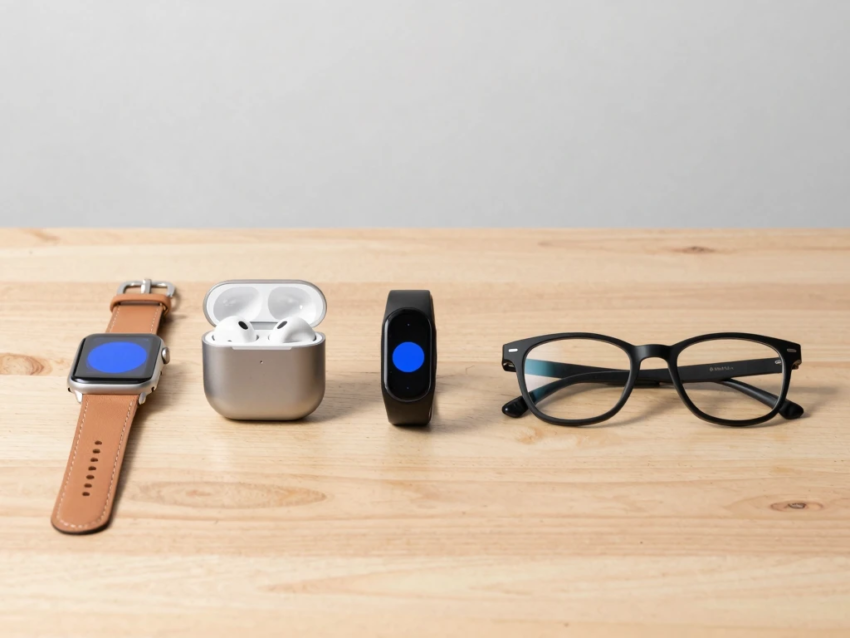
Wearable technology has become an important part of modern digital life. From smartwatches and fitness trackers to smart rings, wireless devices, and specialized medical wearables, these technologies allow people to access information and digital services directly from devices worn on the body.
Wearable devices can track activity, display notifications, monitor certain health-related measurements, support communication, provide navigation, and connect with smartphones and other smart devices.
The wearable technology industry is also becoming more intelligent. Artificial intelligence, advanced sensors, wireless connectivity, miniaturized components, and improved battery technology are helping manufacturers create smaller and more capable devices.
Wearables are being used by consumers, athletes, healthcare organizations, businesses, and industrial workers. Their applications range from everyday fitness tracking to professional monitoring and hands-free computing.
This wearable technology guide explains what wearable technology is, the major types of wearable devices, their benefits, applications, challenges, and future trends.
What Is Wearable Technology?
Wearable technology refers to electronic devices designed to be worn on the body.
These devices usually combine hardware, sensors, software, wireless connectivity, and batteries.
Common examples include:
- Smartwatches
- Fitness trackers
- Smart rings
- Smart glasses
- Wireless health monitors
- Sports wearables
- Smart clothing
- Industrial wearable devices
Many wearable devices connect to smartphones through Bluetooth or Wi-Fi. Some advanced devices can also connect directly to cellular networks.
How Does Wearable Technology Work?
Wearable devices use a combination of sensors and software to collect and process information.
A typical wearable may contain:
- Motion sensors
- Heart-rate sensors
- GPS
- Accelerometers
- Gyroscopes
- Temperature sensors
- Microphones
- Cameras
- Wireless connectivity
The device collects information through its sensors and processes it using onboard software.
Some data may then be transferred to a smartphone or cloud platform for additional analysis.
For example, a fitness tracker can detect movement throughout the day, calculate activity metrics, and synchronize the information with a mobile application.
Types of Wearable Technology
The wearable technology market includes many different categories.
1. Smartwatches
Smartwatches are among the most popular wearable devices.
They can provide features such as:
- Time and date
- Notifications
- Fitness tracking
- GPS
- Music controls
- Calls
- Messaging
- Mobile payments
- Health-related measurements
Modern smartwatches increasingly function as extensions of smartphones.
2. Fitness Trackers
Fitness trackers are designed primarily to monitor physical activity.
They can track information such as:
- Steps
- Distance
- Activity duration
- Calories
- Heart rate
- Sleep patterns
Fitness trackers are generally designed to provide simple activity insights without requiring users to carry a phone during every activity.
3. Smart Rings
Smart rings are small wearable devices that can contain sensors and wireless connectivity.
Depending on the device, smart rings may track:
- Sleep
- Activity
- Heart rate
- Temperature trends
- Recovery-related metrics
Their compact size makes them an alternative to larger wrist-based devices.
4. Smart Glasses
Smart glasses combine eyewear with digital technology.
Depending on the design, they may include:
- Cameras
- Microphones
- Speakers
- Displays
- Voice assistants
- Wireless connectivity
Smart glasses can provide hands-free access to information and communication.
Potential applications include navigation, communication, content capture, professional assistance, and augmented reality.
5. Smart Clothing
Smart clothing integrates electronic components into garments.
Examples can include clothing designed to monitor:
- Movement
- Body temperature
- Athletic performance
- Posture
- Other sensor-based measurements
Smart clothing may become increasingly useful in sports, healthcare, industrial environments, and specialized applications.
6. Medical Wearables
Wearable technology is also used in healthcare.
Certain medical or health-focused devices can continuously collect specific measurements.
Potential applications include monitoring:
- Heart-related signals
- Physical activity
- Temperature
- Blood oxygen levels
- Glucose-related information with appropriate devices
Medical wearables can provide useful data, but users should understand that consumer wearable measurements are not automatically equivalent to clinical diagnosis.
7. Sports Wearables
Athletes use wearable devices to analyze performance and training.
Sports wearables can provide information about:
- Running speed
- Distance
- Heart rate
- Movement
- Training duration
- GPS position
Coaches and athletes can use this information to understand training patterns and performance.
8. Industrial Wearables
Wearable technology is also being introduced into industrial workplaces.
Examples include:
- Smart glasses
- Head-mounted displays
- Wearable scanners
- Smart safety equipment
- Connected communication devices
Industrial wearables can support workers by providing hands-free information and communication.
Key Features of Wearable Technology
Modern wearable devices can include several important features.
Sensors
Sensors allow devices to collect information about movement, environment, or certain body-related measurements.
Wireless Connectivity
Bluetooth, Wi-Fi, and cellular connectivity allow wearables to communicate with other devices and networks.
GPS
GPS can support navigation, location tracking, and outdoor fitness activities.
Mobile Integration
Many wearables synchronize with smartphone applications.
Voice Interaction
Microphones and voice assistants can allow users to control certain functions without touching a screen.
Artificial Intelligence
AI can help analyze collected data and provide personalized insights.
Benefits of Wearable Technology
Wearable technology provides several potential benefits.
Convenience
Wearables provide quick access to information without requiring users to constantly check their phones.
Fitness Tracking
Users can monitor physical activity and exercise patterns.
Communication
Smartwatches and smart glasses can provide notifications, calls, and messages.
Navigation
GPS-enabled devices can support directions and location tracking.
Personalization
Wearables can provide information based on individual activity and usage patterns.
Hands-Free Computing
Smart glasses and other specialized devices can provide information without requiring users to hold a phone or computer.
Wearable Technology and Artificial Intelligence
AI is becoming increasingly important in wearable technology.
Instead of simply collecting raw data, future wearable devices can use AI to identify patterns and provide more personalized information.
AI can potentially help with:
- Activity recognition
- Personalized fitness insights
- Voice interaction
- Sleep analysis
- Predictive recommendations
- Context-aware notifications
For example, an AI-powered wearable may recognize different types of physical activity and provide customized information based on the user’s behavior.
The quality of these insights depends on sensor accuracy, software design, data quality, and appropriate interpretation.
Wearable Technology and Health Monitoring
Health monitoring is one of the most important applications of wearable devices.
Some wearables can provide information about metrics such as:
- Heart rate
- Activity
- Sleep
- Temperature
- Blood oxygen levels
This information can help users understand patterns in their daily routines.
However, wearable technology should not automatically be treated as a substitute for professional medical evaluation. Users with health concerns should consult qualified healthcare professionals.
Wearable Technology in Fitness
Fitness is one of the largest consumer applications of wearables.
A smartwatch or fitness tracker can help users monitor:
- Daily steps
- Exercise duration
- Running distance
- Heart-rate trends
- Workout sessions
- Sleep routines
This can make personal fitness data easier to understand.
Athletes can also use advanced devices to analyze training performance and improve workout planning.
Wearable Technology in Business
Businesses can use wearable technology for specialized purposes.
Potential applications include:
- Employee communication
- Inventory management
- Logistics
- Industrial inspection
- Training
- Field services
Smart glasses, for example, can potentially provide workers with instructions while keeping their hands available for physical tasks.
Wearable Technology in Education
Wearable technology may also support education and training.
Potential uses include:
- Augmented reality learning
- Interactive demonstrations
- Virtual training
- Hands-free instructions
- Practical simulations
AR-enabled wearables could allow students to interact with digital information while observing physical environments.
Wearable Technology and Smart Homes
Wearables can also connect with smart home ecosystems.
A smartwatch or other wearable could potentially control:
- Lights
- Thermostats
- Security systems
- Music
- Smart appliances
This creates a more connected relationship between personal devices and home technology.
Wearable Technology and IoT
Wearables are part of the broader Internet of Things (IoT) ecosystem.
IoT connects physical devices to digital networks.
Wearables can exchange information with:
- Smartphones
- Cloud platforms
- Smart home devices
- Fitness applications
- Healthcare systems
- Other connected technologies
This creates new possibilities for personalized and connected digital experiences.
Privacy and Security Challenges
Wearable technology can collect sensitive information, so privacy and security are important.
Potential concerns include:
- Personal data collection
- Location tracking
- Account security
- Unauthorized access
- Data sharing
- Cloud security
Users should review privacy settings and understand what information their wearable collects.
Strong passwords, multi-factor authentication where available, software updates, and secure smartphone accounts can improve security.
Battery Life Challenges
Battery life remains an important consideration.
Wearable devices are small, which limits the physical space available for batteries.
Features such as:
- GPS
- Always-on displays
- Cellular connectivity
- Continuous sensing
can increase power consumption.
Manufacturers continue to improve energy efficiency, charging technology, and battery design.
Wearable Technology Design
Comfort is essential for wearable devices.
A wearable that is uncomfortable or too heavy may not be used consistently.
Important design factors include:
- Weight
- Size
- Materials
- Durability
- Water resistance
- Battery life
- Display quality
- Strap or attachment design
Future wearables may become smaller and more integrated with everyday clothing and accessories.
Challenges of Wearable Technology
Despite rapid development, wearables have limitations.
Privacy
Wearables can collect highly personal information.
Accuracy
Sensor measurements may not always be perfectly accurate.
Battery Life
Small devices have limited battery capacity.
Cost
Advanced wearable technology can be expensive.
Compatibility
Some devices work better within particular technology ecosystems.
Data Overload
Users may receive too much information without meaningful interpretation.
How to Choose Wearable Technology
Before buying a wearable device, users should consider their actual needs.
Define the Purpose
Decide whether the main goal is fitness, communication, health monitoring, navigation, or professional use.
Check Compatibility
Make sure the device works with your smartphone and other important systems.
Evaluate Battery Life
Consider how often the device needs charging.
Review Sensors
Look at which sensors and features are actually useful for your requirements.
Consider Comfort
A wearable should be comfortable enough for regular use.
Check Privacy Features
Understand how data is collected, stored, and shared.
Consider Durability
Water resistance and physical durability may be important for sports and outdoor activities.
The Future of Wearable Technology
The future of wearable technology is likely to involve smaller devices, improved sensors, better connectivity, and greater AI integration.
Important developments may include:
- AI-powered wearables
- Advanced smart rings
- AR glasses
- Smart clothing
- Improved health sensors
- Longer battery life
- Better voice interaction
- More personalized experiences
- Improved IoT integration
Wearables may also become increasingly connected to AI assistants.
Instead of simply displaying information, future devices may understand context and provide useful information at the right time.
AI and Next-Generation Wearables
AI could transform how people interact with wearable devices.
Future systems may understand:
- User preferences
- Daily routines
- Environmental context
- Activity patterns
- Communication needs
For example, an AI-enabled wearable could potentially recognize that a user is exercising and automatically adjust the information displayed.
However, such capabilities will require careful attention to privacy, security, data processing, and user control.
Wearable Technology and the Future of Computing
Wearable technology may contribute to a broader shift toward ambient and spatial computing.
Instead of relying entirely on smartphones and laptops, users may interact with technology through:
- Watches
- Rings
- Glasses
- Headsets
- Voice interfaces
- Smart clothing
This could make computing more natural and context-aware.
The transition will depend on improvements in battery technology, miniaturization, software, connectivity, privacy, and user experience.
Wearable Technology Trends in 2026
Several trends are shaping wearable technology.
AI Integration
AI is increasingly being used for personalization and data analysis.
Smart Rings
Small form-factor wearables are gaining attention as alternatives to larger devices.
Advanced Health Sensors
Manufacturers continue to explore new ways to collect health-related measurements.
Smart Glasses
AI-enabled and camera-equipped glasses are expanding the possibilities of hands-free computing.
Better Connectivity
Bluetooth, Wi-Fi, and cellular technologies are improving communication between devices.
Longer Battery Life
Improved energy efficiency is helping make wearables more practical.
Connected Ecosystems
Wearables are increasingly integrated with smartphones, smart homes, cloud services, and other IoT devices.
Conclusion
Wearable technology has evolved from simple digital watches and step counters into a broad ecosystem of connected devices.
Smartwatches, fitness trackers, smart rings, smart glasses, smart clothing, sports devices, medical wearables, and industrial technologies are expanding the ways people interact with digital systems.
The major benefits of wearable technology include convenience, fitness tracking, communication, navigation, hands-free computing, and personalized information. AI is also making wearables more capable by helping analyze data and create personalized experiences.
At the same time, important challenges remain. Privacy, cybersecurity, battery life, sensor accuracy, cost, compatibility, and data overload all need to be considered.
The future of wearable technology will likely involve AI-powered devices, smarter health monitoring, advanced smart rings, AR glasses, connected clothing, improved sensors, and deeper IoT integration.
As these technologies become smaller and more intelligent, wearable devices may become an increasingly important part of everyday computing.
Wearable technology is not simply about putting electronics on the body. It represents a broader shift toward connected, personalized, and hands-free digital experiences that can make technology more accessible and integrated into everyday life.